Switching to barefoot hoes: How to do it right
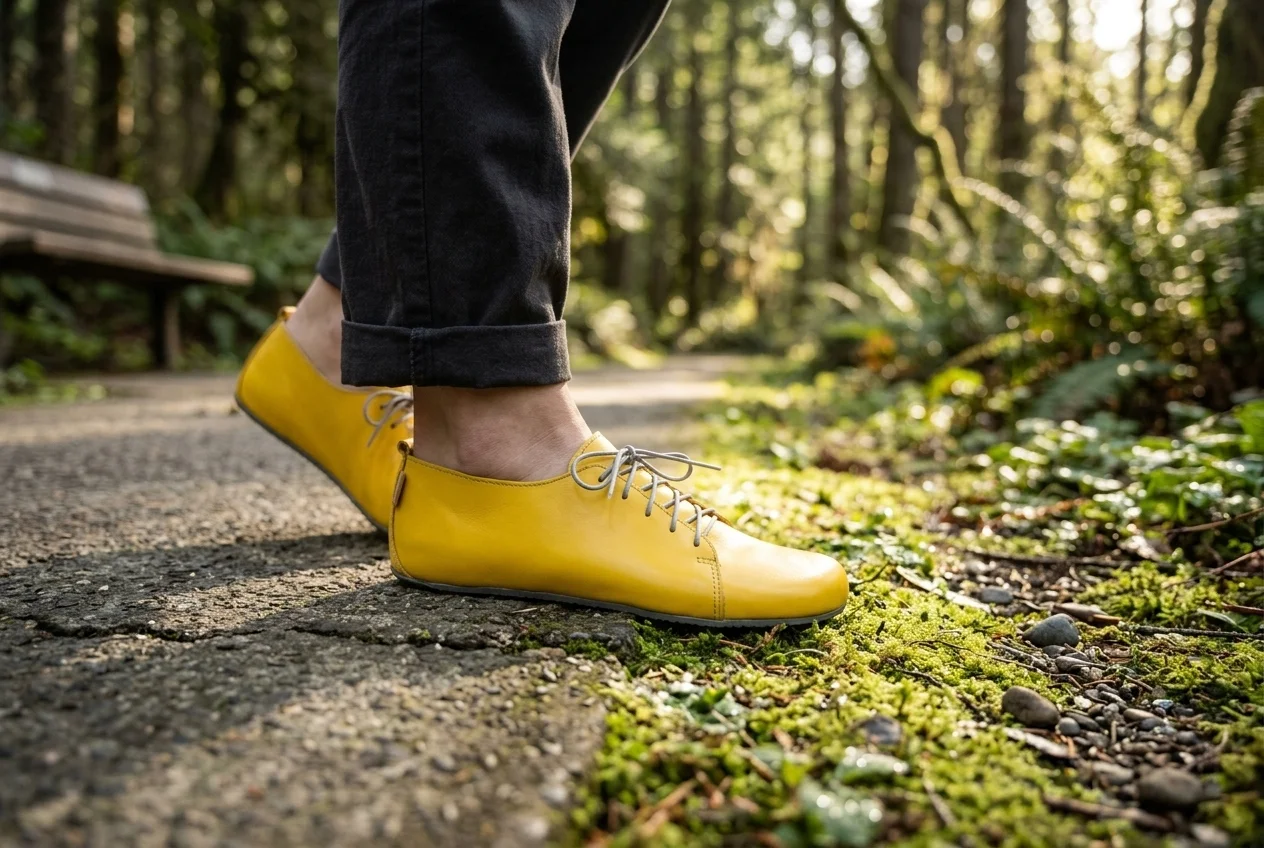
Switching to Barefoot Shoes: How to Start Right, Comfortably, and Without Unnecessary Pain
Are you thinking about switching to barefoot shoes, but worried about pain in your feet, calves, or fatigue? That’s completely understandable. Barefoot shoes allow the foot to move more naturally, but they can also change the strain on the muscles and tendons that have long been accustomed to traditional shoes with stiff soles, support, or elevated heels.
The key to success is gradual progression. Don’t rush; listen to your body’s signals and give your feetenough time to adapt. We’ll advise you on how to start with barefoot so that the transition is as comfortable as possible for you.
Why is the transition to barefoot shoes important?
Traditional shoes often restrict toe movement, alter the foot’s natural function, and—due to cushioning— cushioning, take over part of the work that would otherwise be performed by the foot muscles. Barefoot shoes, on the other hand, have a wide toe box, a flat construction with noheel-to-toe drop (zero drop) and a flexible sole.
If you start wearing minimalist shoes all day long right from the very first day, your feet, calves, or Achilles tendons may quickly become overloaded. For barefoot beginners, there’s a simple rule: less is more when you’re starting out.
How to Switch to Barefoot Shoes Step by Step
1. Start at home or on short walks
For the first few days, wear barefoot shoes for approximately 20 to 60 minutes a day. Ideally, walk around the house, take a short trip to the store, or go for a leisurely stroll on a familiar and less demandingsurface. Avoid long hikes, standing all day, and intense sports right from the start.
After each time you wear them, pay attention to how your feet feel. Mild muscle fatigue can be a normal reaction to unusual exertion. On the other hand, sharp, intensifying, or prolonged pain is a sign that you should take it easier.
2. Strengthen your feet and improve their mobility
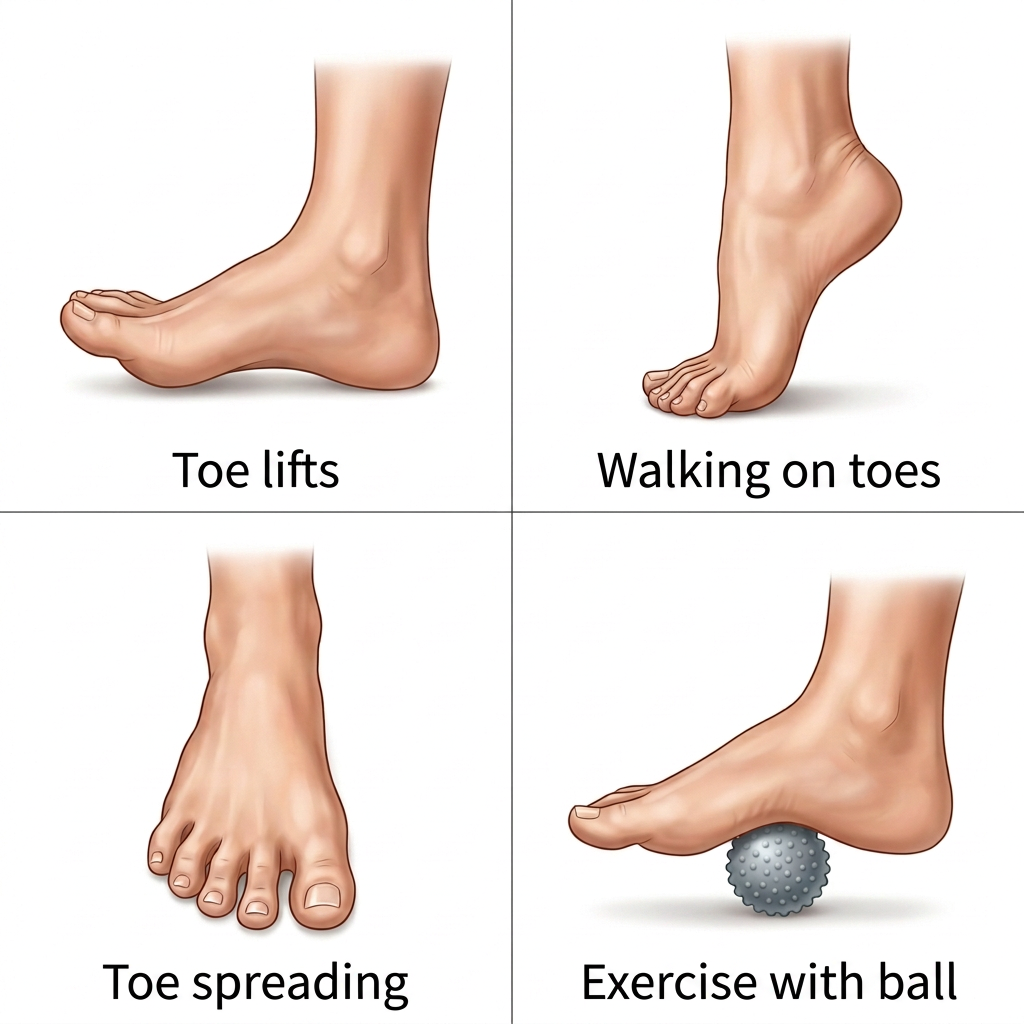
You can support the transition to barefoot shoes with simple, regular exercise. Always exercise within a comfortable range and without pain:
- Walking barefoot on a safe, soft surface, such as grass, carpet, or sand.
- Lifting your toes: while sitting or standing, try lifting your toes one at a time or all together.
- Walking on your toes and heels: short stretches will help activate your feet and calves.
- Stretching your toes: Gently stretch your toes with your hand or actively spread them apart.
- Balancing on one leg: start with a firm support and gradually improve your stability.
3. Choose barefoot shoes that really fit you
Well-fitting shoes are essential for a comfortable transition. The shoe should conform to the shape of your foot, not slip at the heel, and not restrict your toes. When choosing, pay particular attention to the following:
- A wide toe box, where your toes have room for natural movement.
- Zero drop, or a flat sole without a raised heel.
- A flexible sole that adapts to the foot’s movement.
- The right size with enough room in the toe box.
- High-quality material — leather barefoot shoes can gradually adapt to the individual shape of the foot.
If you’re just starting out with barefoot shoes , you might prefer a model with a slightly thicker, yet still flexible, sole. For example, depending on the shoe type, the Jenon Leather models also feature 4mm or 6mm rubber soles, which maintain flexibility while providing more protection when walking around town.
4. Gradually increase the amount of time you wear them
If you feel well, add approximately 30 to 60 minutes of walking time each week or slightly extend your route. However, do not increase both the wearing time and the intensity of your activity too quickly at the same time. AlternateWear barefoot shoes with the footwear you’re used to, especially on days with prolonged standing, walking, or physical activity.
Everyone adapts differently. Some people get used to barefoot shoes within a few weeks, while others need several months. Don’t compare yourself to others—what matters is the pace that feels comfortable for you.
5. Listen to your body
Mild muscle fatigue in the feet or calves may occur during the adaptation period. However, sharp, worsening, or persistent pain is not something you should ignore. In that case, shorten the time you wear them, take a step back, and give your feet a rest.
If you have diabetes, problems with foot sensitivity, a musculoskeletal condition, have had an injury, or if pain limits your ability to walk, consult a doctor, physical therapist, or podiatrist before making any major changes to your footwear.
What should you avoid when switching to barefoot shoes?
❌ Suddenly wearing barefoot shoes all day long starting on the very first day.
❌ Long runs, hikes, or strenuous workouts without prior adaptation.
❌ Shoes with insufficient toe room or an improper size.
❌ Ignoring pain, limping, swelling, tingling, or numbness.
❌ Trying to speed up adaptation at any cost.
Tips for a More Comfortable Break-in Period
✅ After a strenuous day, gently massage your feet.
✅ Stretch your calves and ankles regularly, but never to the point of pain.
✅ For the first few weeks, alternate between barefoot shoes and regular shoes.
✅ Choose safe surfaces and gradually get used to different types of terrain.
✅ Make sure the shoes are the right size and have enough room in front of your toes.
Barefoot Shoes for Beginners: Patience Pays Off
The transition to barefoot shoes is not a race. With a sensible and gradual approach, your feet can have time to get used to the new way of walking and greater freedom of movement. Choose a comfortable style, start with short intervals, and listen to what your body is telling you.
Handcrafted Jenon Leather barefoot shoes combine high-quality leather, a flexible design, and room for natural toe movement. Choose shoes that truly suits your everyday pace and your first steps into barefoot walking.
👉 Start slowly and comfortably. Browse the Jenon Leather barefoot shoe collection and find the style that’s just right for you.